Radon Mitigation Systems
Active sub-slab depressurization built to ANSI/AARST SGM-SF-2023 by Nebraska-licensed radon specialists, sized for Omaha basements, split-levels, and walkouts.
Typical$1,200-$2,500
Douglas County homes averaged 4.8 pCi/L across 19,027 recent state measurements, above the EPA action level. Every system here is installed by a Nebraska-licensed radon specialist, priced in writing before work starts, and verified with a follow-up test.
Step 1
A short call or text about your test result, foundation type, and timeline. Plain answers about what the number means and what a fix involves.
Step 2
A licensed Nebraska radon specialist walks the foundation, runs the diagnostics the slab calls for, and puts a fixed price in writing.
Step 3
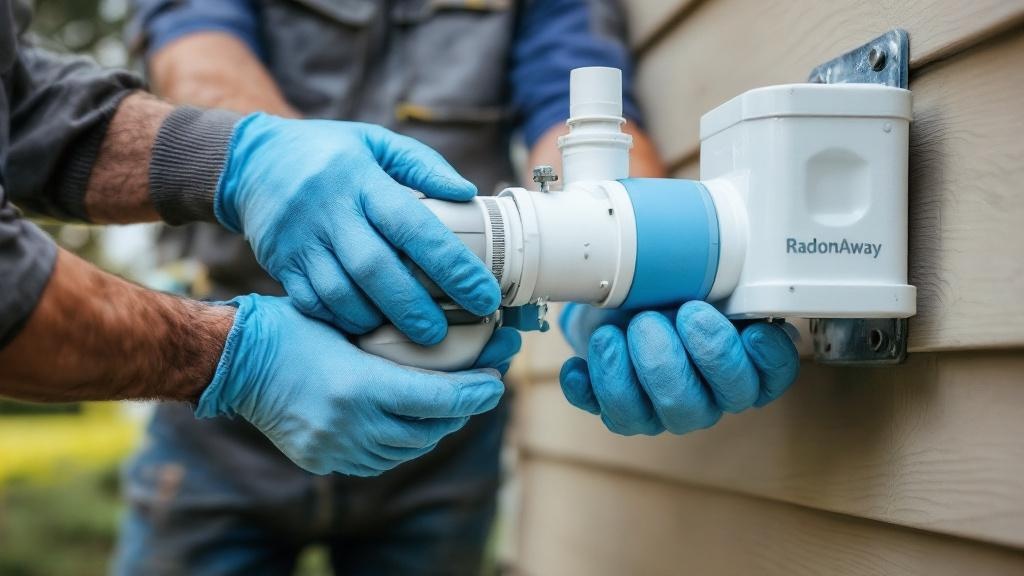
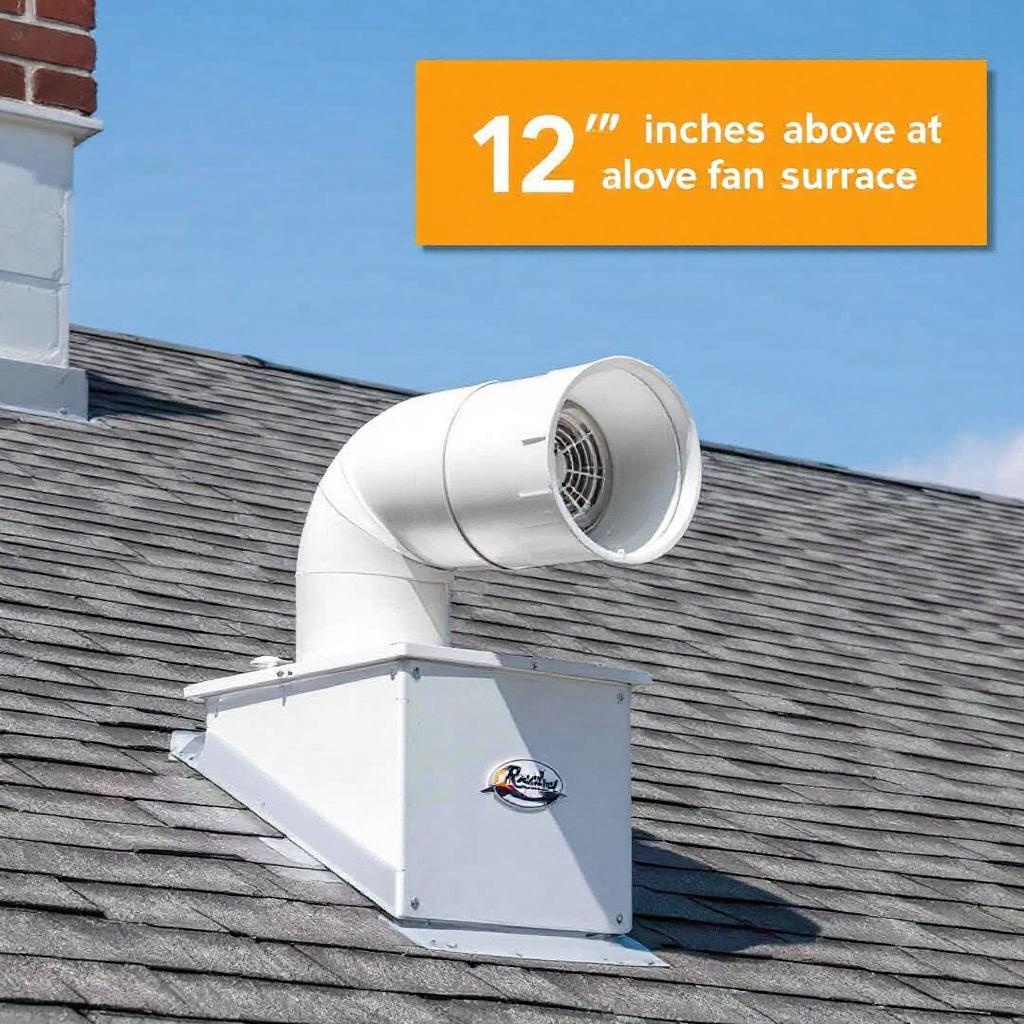
Most basement and slab systems finish in a single day: suction pit, sealed penetrations, fan outside the living space, discharge above the roof, built to ANSI/AARST SGM-SF-2023.
Step 4
A follow-up test after the fan runs shows where the house landed, and the result goes into your system folder with the marked start-up gauge reading.
Douglas County average across 19,027 pre-mitigation measurements, October 2019 to September 2024. The EPA action level is 4.0.
Source: Nebraska DHHS Radon Measurement Report, January 2025
Share of Nebraska single-family homes above 4 pCi/L in the 1989-1990 state survey, among the highest shares in the country.
Nebraska Department of Environment and Energy radon fact sheet
US lung cancer deaths the EPA links to radon each year, about 2,900 of them among people who never smoked.
Douglas, Sarpy, Washington, and the rest of eastern Nebraska's counties sit in EPA Radon Zone 1.
Douglas County averaged 4.8 pCi/L across 19,027 measurements and Sarpy County 5.3 across 5,649, October 2019 to September 2024, pre-mitigation.
Nebraska licenses radon specialists and radon businesses under the Radiation Control Act, with licenses expiring March 31 of odd-numbered years.
The state radon program publishes testing guidance and county data for Nebraska homeowners.
Eastern Nebraska's glacial till and thick loess over Pennsylvanian and Cretaceous bedrock drive the state's highest radon potential.
Nebraska ranks near the top of the states for the share of homes testing above the EPA action level.
Every job comes with a written quote and no-pressure consultation. Workmanship warranty terms are set by your lead technician and confirmed before work begins.
Active sub-slab depressurization built to ANSI/AARST SGM-SF-2023 by Nebraska-licensed radon specialists, sized for Omaha basements, split-levels, and walkouts.
Short-term and long-term radon measurement by Nebraska-licensed specialists, run to the ANSI/AARST MAH-2023 protocol with a written report.
Sub-membrane depressurization for crawl spaces and the basement-plus-crawl combinations common in metro additions and split-levels.
Testing and mitigation scheduled backward from closing dates, with licensed measurement on the Nebraska side and Iowa-certified work in Council Bluffs.
Multi-point designs for schools, daycares, multifamily buildings, and commercial space across the metro.
Fan replacement, manometer and seal repair, condensation fixes, and retesting for systems already in the ground.
Take $50 off any radon service if you are a veteran, active military (Offutt families included), a first responder, or 65 and older. Mention it when you call or text.
Mention this offer when you call
(402) 603-6139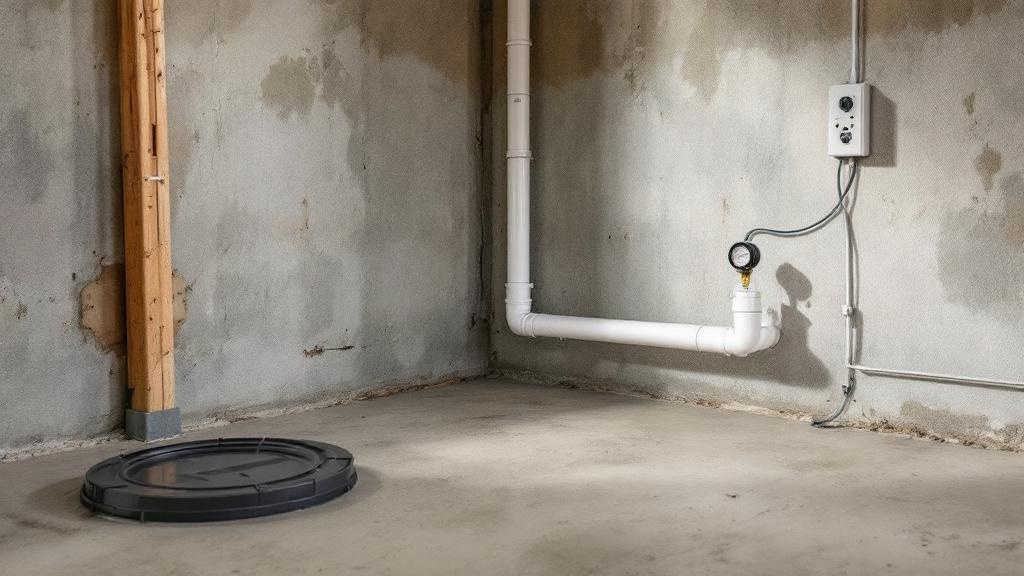
The average American home holds about 1.3 pCi/L of radon, by EPA figures. The Omaha metro starts well above that. The Nebraska DHHS measurement report published in January 2025, covering October 2019 through September 2024, put the Douglas County pre-mitigation average at 4.8 pCi/L across 19,027 measurements and Sarpy County at 5.3 across 5,649, with the ring counties between 5.3 and 8.0. The EPA action level sits at 4.0, which means the average Omaha-area home tests above the line where the EPA says to fix the house.
The older statewide picture agrees: the 1989-1990 state survey found about 54 percent of Nebraska single-family homes above 4 pCi/L, with a statewide average of 5.5, among the highest shares in the country. The cause is under your feet. Glaciers left till across eastern Nebraska, wind blanketed it with thick loess, and both sit over Pennsylvanian and Cretaceous bedrock, a combination the USGS radon assessment ties to the state's hottest counties, all of them in the east.
None of it predicts a single address. Two houses on one Millard street can read 2 and 10, which is why the only number that matters is the one from your own basement. The county data page lays out what the measurements can and cannot tell you.
Nebraska regulates radon work directly under the Radiation Control Act, Neb. Rev. Stat. 71-3501 and the sections that follow. The person doing the measurement or mitigation holds a radon specialist license and the company holds a radon business license, both issued by the Department of Health and Human Services under the rules at 180 NAC 11. Licenses are searchable on the state's public lookup, and they expire March 31 of odd-numbered years, so checking the date matters as much as checking the name.
That system protects you in a specific way: it makes qualifications verifiable before money changes hands. All mitigation specialists you work with here hold the Nebraska license, work for licensed radon businesses, and build to the ANSI/AARST SGM-SF-2023 consensus standard, with NRPP or NRSB credentials behind the state paperwork.
The river is a legal boundary. Council Bluffs work falls under Iowa Code chapter 136B, which requires Iowa HHS certification and, notably, requires the post-mitigation test to come from a different firm than the installer. A Nebraska license does not reach across the bridge, and the licensing FAQ explains how to verify credentials on either side.
Radon enters most Omaha-area transactions through the inspection period: the buyer orders a test alongside the general inspection, and the result arrives with days left to negotiate. A sale test is tighter than a screening kit, at least 48 hours under closed-house conditions with a continuous monitor or paired devices, placed and documented by a licensed professional so neither side can dismiss the number.
When the result comes back at 4.0 pCi/L or higher, the EPA's guidance is to fix the home, and the negotiation turns practical: who pays, and whether the system goes in before closing or as a credit. A typical metro system is a one-day install, so even a result two weeks out from closing usually leaves room for the scope visit, the install, and a verification test, provided the first call happens promptly.
Military moves through Bellevue compress this further, with PCS dates that do not slide. The real estate service is built around those calendars, and on the Iowa side it follows Iowa's certification rules from the first device placed.
The EPA attributes about 21,000 US lung cancer deaths a year to radon, roughly 2,900 of them among people who never smoked, and radon is the leading cause of lung cancer among never-smokers. The mechanism is time: radon's decay products lodge in lung tissue, and risk accumulates with concentration and years of exposure. Nothing about it is sudden, which cuts both ways: an elevated reading is not an emergency tonight, and it is also not something a house grows out of.
The lifetime framing is the useful one. At 4 pCi/L, the EPA estimates about 7 of 1,000 never-smokers would develop lung cancer from a lifetime of exposure; at 8, about 15; among smokers the same levels run about 62 and 120, because smoking and radon compound. An Omaha metro household living at the Douglas County average sits above the action level by default, which is exactly why the EPA draws the fix-it line at 4.0 and suggests considering action from 2.0 up.
The people with the most at stake are smokers and anyone who sleeps or works on the lowest level, where readings run highest. A finished basement bedroom in a Papillion two-story is the textbook case for testing before the room gets daily use.
A finished system asks very little of you. The visible parts are a labeled pipe with a manometer in the basement, a fan in the attic or outside, and a breaker label. Glance at the gauge occasionally: the liquid was marked at start-up, and liquid sitting level on both sides means the fan has stopped pulling. That one habit catches almost every failure before a retest would.
Winter is when the system earns its keep and when it shows its quirks. The stack effect that drives January readings also hands the fan its hardest work, and warm soil gas meeting pipe in a cold attic or on a north wall condenses, which is the usual story behind a new gurgle. Pipe runs are sloped to drain that water back under the slab; a sagging run that traps it is a service call, not a mystery.
Fans are wear items. The EPA notes mitigation fans commonly last about five years or more, so budget for a replacement over your years in the house, and keep the folder: start-up reading, fan model, warranty, and every test result. Retest every two years as the EPA advises, after any foundation or HVAC work, and whenever the gauge drifts. The repair service handles the rest.
the Omaha metro and Council Bluffs and surrounding communities. Same-day estimates within 13+ neighborhoods.
Most metro homeowners get a written mitigation or testing price the same business day. Every install is performed by a radon specialist licensed under Nebraska's Radiation Control Act, built to ANSI/AARST SGM-SF-2023, with a verification retest included.
Browse all 42 questions for more depth.
Most metro basement homes land between $1,200 and $2,500 for an active sub-slab system. Crawl space membrane systems run $1,800 to $3,600, activating a builder rough-in $650 to $1,200, and a professional test $150 to $300.
Inside those bands, the house sets the price. A newer Papillion poured basement with a clean route to the attic sits near the bottom. A century-old block foundation in Dundee, a Millard split-entry whose two slab pours need two suction points, or a Bennington walkout with stepped footings climbs toward the top. What never varies is what the standard requires in every price: a fan outside the living space, a discharge above the roof, sealed penetrations, a readable gauge, and labels. The written price arrives after the scope visit, fixed, with the Nebraska license numbers on it. The cost guide breaks down every tier, and the calculator gives a starting range for your foundation type.
Yes, measurably. The state's 2019-2024 data put Douglas County's pre-mitigation average at 4.8 pCi/L across 19,027 tests and Sarpy's at 5.3 across 5,649, both above the EPA action level of 4.0. The EPA maps every metro county Zone 1.
Those figures come from the Nebraska DHHS Radon Measurement Report published in January 2025, and they are unusually fresh for this kind of question: tens of thousands of real measurements from the last five years, taken before mitigation. The ring counties around the metro averaged 5.3 to 8.0. The older context points the same direction, with the 1989-1990 state survey finding about 54 percent of Nebraska single-family homes above 4 pCi/L, among the highest shares in the nation. The driver is geology: glacial till and thick loess over uranium-bearing bedrock, concentrated in the eastern counties. None of it measures your address, though, and two houses on one street can differ several-fold. See what the county numbers can and cannot tell you.
A radioactive gas produced as uranium in soil and rock decays. It has no color, smell, or taste, drifts up through foundations, and concentrates on the lowest level of a closed house. Long exposure raises lung cancer risk, and only a test reveals it.
Under this metro the uranium rides in glacial till and the thick windblown loess that blankets eastern Nebraska, sitting over Pennsylvanian and Cretaceous bedrock; the USGS ties that combination to the hottest counties in the state, all in the east. The gas itself is inert and leaves your lungs when you exhale, but its short-lived decay products are solids that lodge in lung tissue and keep decaying there, which is where the risk comes from. The EPA attributes about 21,000 US lung cancer deaths a year to radon. For scale, outdoor air runs about 0.4 pCi/L nationally and indoor air about 1.3, while Douglas County's recent pre-mitigation average was 4.8. The fix is mechanical, not chemical: a fan-driven system that reroutes the gas above the roof.
Through the foundation, riding the pressure difference. A heated house sits at slightly lower pressure than the soil, so it draws soil gas in through slab cracks, the floor-wall joint, sump pits, floor drains, utility openings, and porous block walls.
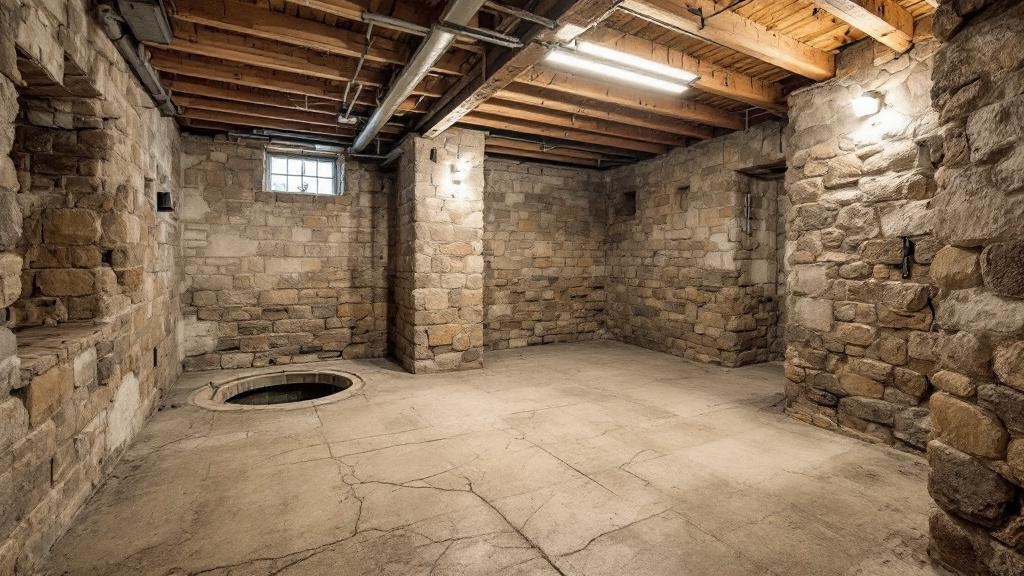
The metro adds its own entry paths. Midcentury ranches and split-levels across Millard, Ralston, and La Vista commonly have sump pits fed by perimeter drain tile, which is a direct connection to the soil under the entire floor. Older stock in Dundee, Benson, Blair, and Council Bluffs sits on block or limestone foundations where gas moves through the wall material itself, not just through cracks. And the loess that gives the region its hills drains well, which keeps soil gas mobile even in winter. Sealing those paths helps a mitigation system work, but sealing alone rarely fixes a house; the EPA treats it as a supporting measure. The pressure reversal from an active system is what actually changes the direction of flow. See also how sump pits fit in.
Yes. Under the Radiation Control Act (Neb. Rev. Stat. 71-3501 et seq.), the person measuring or mitigating for hire holds a radon specialist license and the company holds a radon business license from Nebraska DHHS, under the rules at 180 NAC 11.
Both licenses are searchable on the state's public lookup, and both expire March 31 of odd-numbered years, so verify the expiration date along with the name. The licensing sections are Neb. Rev. Stat. 71-3507 for the people and 71-3515 for the businesses. National credentials from NRPP or NRSB sit behind the state paperwork and are worth asking about, but the Nebraska license is the legal requirement on this side of the river. Council Bluffs is governed by Iowa instead: Iowa HHS certification under Iowa Code chapter 136B, with its own rules, including an independent post-mitigation test. Every specialist you work with through this site holds the applicable license, and checking it yourself takes two minutes; the walkthrough is in how to check a Nebraska radon license.
No. Council Bluffs is Iowa, where radon professionals need Iowa HHS certification under Iowa Code chapter 136B, a separate regime from Nebraska's licensing. Iowa also requires the post-mitigation test to come from a different firm than the installer.
The river is a legal boundary even though the metro treats it as a commute. A Nebraska radon specialist license has no force in Pottawattamie County, and an Iowa certification has none in Douglas or Sarpy. The independent-test rule is the practical difference homeowners notice: in Council Bluffs, the firm that installs your system does not run the verification test, which is a consumer protection worth having and a scheduling detail worth planning. The geology does not change at the bridge, and the loess bluffs the city is named for are the same silt that drives Nebraska-side readings. Mention the Iowa address on the first call so certification and the independent test are arranged from the start. The full comparison lives in radon rules across the river.
Every two years, per EPA guidance, plus after any foundation, sump, waterproofing, or HVAC work, after finishing a basement, and whenever someone starts sleeping or working on the lowest level. Mitigated homes follow the same two-year rhythm.
Houses drift. Slabs crack, sump lids get lifted for pump service and set back loose, additions go on over crawl spaces, and a furnace replacement changes the pressure picture in the basement. A two-year retest catches that drift for the cost of a hardware-store kit, and this climate makes the scheduling easy: pick a heating-season month, when closed-house conditions are the natural state of the building anyway. Keep every result in one folder with the house records, because a series of readings from the same spot tells you far more than any single number. If a mitigation system is running, the gauge covers the day-to-day and the retest confirms the air itself. The retest schedule post lays the full calendar out.
Short-term tests, two to seven days typically, serve first screenings and real estate deadlines. Long-term tests, over 90 days, average across seasons and give the better answer on a borderline result. They answer different questions, and neither is more official.
Think of it as snapshot versus season. A short-term result is taken under closed-house conditions precisely because it is brief, and inside a purchase contract it is the only practical instrument. A long-term alpha-track device rides along with normal living and captures the swing between a sealed January and an open-window May, which is the average the EPA's risk figures actually describe. The common Omaha sequence: a short-term screen first; if it lands between 2.0 and 4.0, set a long-term device out in fall and collect it after winter before deciding on a system. If the first number comes back well above 4.0, more testing rarely changes the conclusion. The comparison of DIY and professional testing covers who should place which device.
Douglas County homes averaged 4. Mon-Sat 8am-7pm CT.